Commercial Pest Control Services in Manesar
Commercial Pest Control Services in
Manesar
Orient Pest Control provides commercial pest management for Manesar offices, production units, logistics hubs, showrooms and food businesses. We first learn how the premises operate, where activity has been noticed and which areas need special care. Coverage is confirmed after you share the site location.
A pest concern can travel with incoming cartons, arrive through a service opening or build up around water and waste. Our assessment considers these possible causes alongside visible signs, then outlines suitable control and prevention measures for the particular building.
14+
Years in Pest Management
500+
Commercial Sites Serviced
100%
CIB&RC Approved Chemicals
4 Hrs
Emergency Response – Manesar
Planning Pest Management for a Manesar Workplace
Use this guide to understand how a commercial pest-control visit can be scoped for a Manesar facility, from initial checks and treatment precautions to monitoring, records and prevention.
- 1. What a Commercial Pest Programme Covers
- 2. Why Manesar Facilities Need Site-Based Planning
- 3. Pest Activity Seen Around Business Premises
- 4. Commercial Pest Management Options
- 5. How a Service Visit Is Organised
- 6. Areas Reviewed During Service
- 7. Hygiene Procedures and Service Records
- 8. Treatment Precautions and Workplace Safety
- 9. Commercial Sites We Can Assess
- 10. What to Look for in a Pest Management Partner
- 11. Planned Maintenance and Visit Intervals
- 12. What Influences a Commercial Service Quote
- 13. Urgent Requests and Appointment Timing
- 14. Everyday Steps for Workplace Prevention
- 15. Coordinating Service with Your Team
- 16. Questions About Commercial Pest Control in Manesar
- 17. Manesar Coverage and Nearby Business Areas
1. What a Commercial Pest Programme Covers
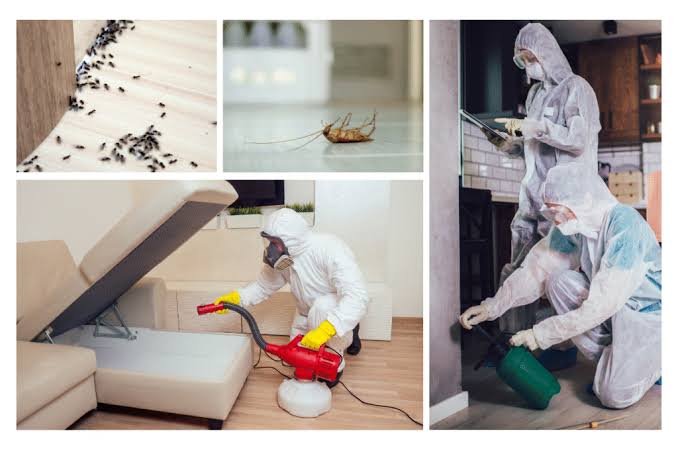
During a survey, we look beyond the place where a pest was spotted. Drain edges, incoming-material zones, false ceilings, pipe penetrations, cupboard backs and waste collection points may reveal routes that need attention.
Moisture, food residue, damaged seals and stored clutter can help an infestation persist. Where the inspection identifies these conditions, the service plan can include practical recommendations for correcting them as well as suitable treatment.
Businesses can arrange a visit for a current issue or discuss a scheduled maintenance programme. The scope is shaped by the pest involved, the site's size and use, the findings from inspection and the level of ongoing oversight required.
A site assessment considers the pest reported, the places where it may be sheltering, and any conditions that could allow it to return. Recommendations are based on what the inspection finds rather than a standard treatment applied to every building.
2. Why Manesar Facilities Need Site-Based Planning
Manesar properties can combine production floors, offices, canteens, storage rooms and loading zones in one site. Each area has different access rules and operating hours, so a useful plan separates the risks by zone and agrees practical service times with the facility contact.
- Industrial Expansion: Construction, roadwork and changing site boundaries can disturb existing pest harbourage. Inspecting edges, service openings and waste areas helps identify routes that may need attention.
- Water and Drainage: Standing water in drains, sumps, containers and poorly drained ground can support mosquito activity, particularly during the monsoon.
- Landscaped Edges: Vegetation, leaf litter and untidy perimeter strips can provide shelter for insects and rodents near entrances and ground-level rooms.
- Industrial and Logistics Activity: Manufacturing, storage, dispatch and staff-support areas have different pest risks. Goods handling, waste routines and open loading doors should be included in the inspection.
- Shared Staff Facilities: Canteens, locker rooms, rest areas and frequently used washrooms need routines suited to their occupancy and cleaning schedules.
- NH-48 and Loading Access: Frequent deliveries and vehicle movement can affect loading bays, stored packaging and perimeter access points. Monitoring and housekeeping should reflect the way the site operates.
- Seasonal Conditions: Warm weather and monsoon moisture can change insect activity. Periodic inspection helps identify whether drainage, waste or entry-point controls need attention.
- Open Perimeter Areas: Dust, stored materials and unmanaged waste near boundary lines can contribute to pest movement around service entries and garbage holding points.
Frequent movement of goods and vehicles can create changing access points around shutters, receiving bays and utility openings. Reviewing these routes alongside housekeeping and waste practices helps the team recommend prevention measures that fit the site.
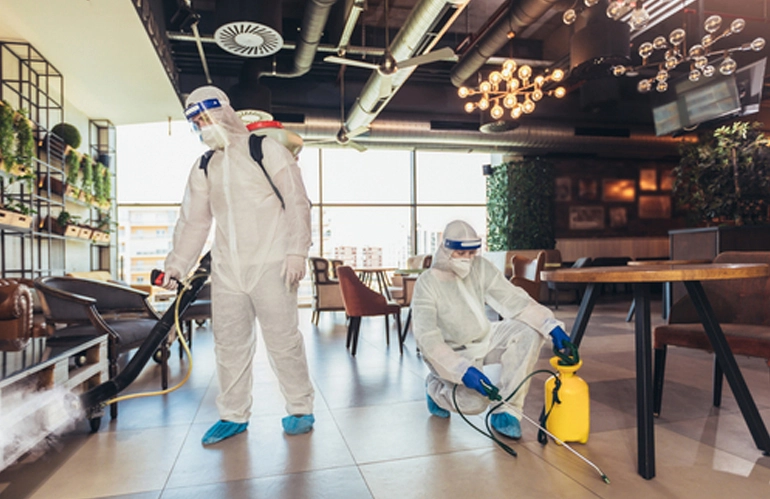
3. Pest Activity Seen Around Business Premises
Commercial premises may encounter different pests depending on food handling, moisture, stored materials, landscaping and building access. The inspection focuses on signs of activity and the conditions around the affected area.
| Pest | Where It Appears in Manesar Commercial Properties | Why It Matters | How We Treat It |
|---|---|---|---|
| Cockroaches | Main kitchens, satellite kitchens, dishwash zones, pantry, dry store, garbage rooms, floor drains, service shafts, false ceilings | Direct food contamination, food-safety observations, occupant complaints, persistent odour in kitchen back areas | Gel baiting at harbourage points, insecticidal dust in voids and shafts, drain treatment, crack sealing, follow-up monitoring |
| Bed Bugs | Occupant rooms and suites, mattress seams, headboards, bed frames, skirting, sofas, curtains, luggage racks, laundry area | Immediate reputational damage, negative online reviews, room closure, compensation claims, brand audit failure | Detailed room inspection, steam treatment, targeted residual application, harbourage sealing, verification visits |
| Rodents (Rats & Mice) | Dry stores, kitchens, service corridors, false ceilings, cable ducts, basements, garbage yards, loading bays, ground-floor rooms | Food contamination, chewed wiring and fire risk, structural damage, disease transmission, audit non-conformity | Tamper-resistant bait stations, glue boards, trapping, entry-point proofing, drain grating, perimeter control |
| Mosquitoes | Lawns, business outdoor premises, loading and service areas, water features, fountains, drains, basement sumps, terrace water tanks, irrigation channels nearby | Outdoor dining disruption, event occupant discomfort, dengue and malaria risk, complaints from service and garden rooms | Larvicidal treatment of water sources, adult fogging, residual spraying, water management advisory |
| Flies | Kitchen back areas, garbage yards, loading docks, buffet counters, outdoor dining, banquet service areas | Food contamination risk, hygiene violations, visible nuisance during functions and dining service | UV insect light traps, fly glue units, residual spraying, waste-area treatment, sanitation advisory |
| Termites | Wooden furniture, wall panelling, door frames, wooden flooring, banquet décor, garden pergolas and timber structures | Expensive structural and interior damage, loss of premium fit-outs, recurring repair costs | Drill-fill-seal treatment, chemical soil barrier, wood preservation, post-construction anti-termite application |
| Ants | Pantries, kitchen counters, room service trolleys, garden pathways, potted plants, ground-floor corridors | Food contamination, occupant complaints in rooms, recurring nuisance trails in landscaped areas | Bait-based colony elimination, crack treatment, perimeter spraying, nest treatment |
| Spiders | Store rooms, ceilings, outdoor lighting, stairwells, garden areas, service structures | Occupant discomfort, housekeeping complaints, unsightly webs in occupant-facing zones | Web removal, residual treatment, lighting and vegetation management advisory |
| Birds (Pigeons) | Facade ledges, balconies, AC platforms, atrium areas, entrance canopies, commercial kitchen or event venue exteriors | Droppings, corrosion of surfaces, slip hazards, nesting debris, health risk near food areas | Bird netting, anti-perch spikes, ledge proofing, droppings removal and sanitisation |
| Stored Product Insects | Dry store, grain and flour bins, spice containers, packaged goods areas, banquet stores | Infested stock, wastage, audit findings, repeat infestation if storage discipline is weak | Targeted fumigation where required, shelving treatment, stock rotation advisory, monitoring |
The table below summarises common signs and typical response considerations. The appropriate approach for a particular property is confirmed after an inspection.
4. Commercial Pest Management Options
Our commercial service options cover common pest concerns inside buildings and around their boundaries. The treatment method and any follow-up are selected according to the pest, the area involved and the site's operating requirements.
Cockroach Management for Commercial Kitchens
Cockroach control starts with inspection of drains, equipment bases, cupboards and other likely harbourage. Depending on the findings, the plan may use targeted baiting or another suitable method alongside cleaning and access recommendations.
Bed Bug Inspection and Treatment
For suspected bed bugs, we inspect furniture joints, fabric seams, bed frames and nearby resting places. Preparation advice and any follow-up checks are based on the inspection findings and the way the space is used.
Rodent Control and Entry-Point Proofing
Rodent management may combine activity monitoring, suitable control devices and recommendations for closing gaps around shutters, pipes, cables and loading areas. Waste storage and stock-handling practices are reviewed where relevant.
Mosquito Management for Outdoor Areas
Outdoor mosquito checks focus on standing water, drains, sumps, containers and poorly drained ground. The plan may include source-reduction recommendations and suitable measures for the outdoor areas included in the agreed scope.
Termite Assessment and Treatment
Termite concerns require an assessment of the affected material, building construction and signs of activity. After inspection, suitable treatment options and steps to protect vulnerable timber or other components can be discussed.
Fly Management for Food Areas and Banquets
Fly management reviews waste points, drains, receiving areas and food-preparation spaces. Control measures should be paired with waste removal, cleaning and correction of conditions that attract flies.
Ant Management for Pantries and Shared Facilities
For ants, the inspection looks for trails, food sources and entry gaps. Targeted control may be combined with improved food storage, spill cleanup and sealing of access points where practical.
Bird Exclusion and Droppings Cleanup
Bird-related concerns can involve ledges, roof structures, signs and loading canopies. Depending on the site, options may include suitable exclusion measures and an agreed approach to cleaning affected surfaces.
Ongoing Commercial Pest Monitoring (AMC)
A commercial maintenance contract can set out visit frequency, monitoring responsibilities, service records and the process for reporting new activity. The schedule should follow the site assessment and the needs agreed with the business.
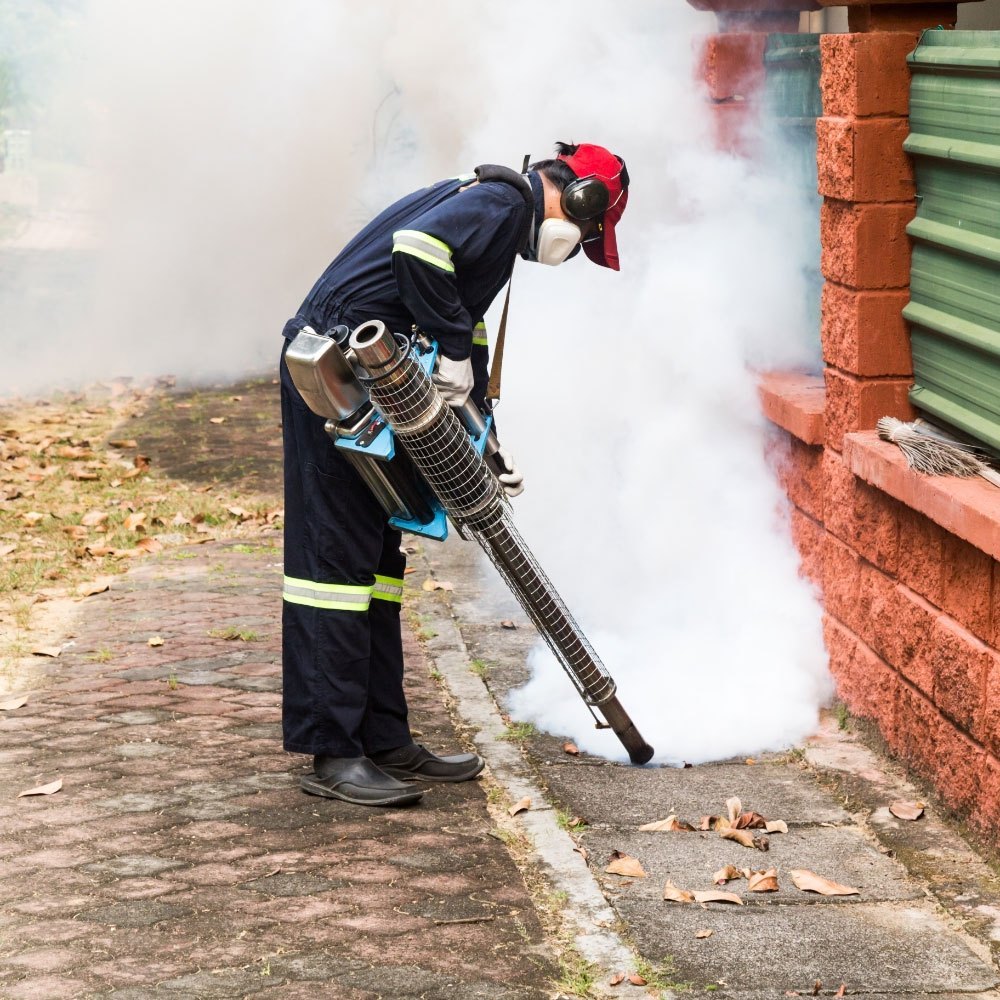
The method is selected for the target pest and the area being treated. We explain relevant precautions before work, including any steps needed to protect food, utensils, equipment or people using nearby spaces.
Call +91 98105 171995. How a Service Visit Is Organised
We begin by confirming the reported issue, the areas to inspect and any site rules that affect access. The walkthrough helps identify visible activity, possible entry points and conditions that may be contributing to the problem.
Property Walkthrough & Pest Risk Mapping
After the inspection, the proposed work is explained to the site contact. This includes the treatment approach, areas covered, timing, preparation requirements and any actions the property team may need to complete.
Programme Design & Transparent Proposal
Treatment is carried out only within the agreed scope and with precautions suited to the target pest and work area. If access or operating conditions change, the team should agree any adjustment with the site contact.
Sanitation & Housekeeping Advisory
Where monitoring or follow-up is part of the plan, the team records the relevant locations and observations. These checks can help identify recurring hotspots and show whether further action is needed.
Exclusion & Proofing
After the visit, the service note can summarise the inspected areas, work completed and observations requiring attention. The site contact can use it to assign follow-up tasks and keep track of recurring issues.
Targeted Low-Toxicity Treatment
During the walkthrough, we can review pantries, washrooms, stores, plant rooms, loading bays, perimeter edges and waste collection points where relevant to the reported concern.
Monitoring Station Installation & Mapping
The inspection priorities depend on how each area is used. Food-handling spaces, staff facilities, stored goods and external boundaries may need different checks and access arrangements.
Digital Reporting, Follow-Up & Review
If your business requires a particular reporting format or named escalation contact, mention it before the proposal is finalised so the agreed process is clear to everyone involved.

6. Areas Reviewed During Service
A commercial site review can cover office floors, production and packing zones, canteens, washrooms, utility corridors, receiving docks, storage areas and the outside perimeter, depending on the property.
- Food Preparation Zones: Review drains, equipment bases, storage cupboards and waste points; select suitable methods only after checking the affected area.
- Office and Shared Facilities: Check pantry storage, washrooms, service openings and shared furniture according to the signs reported by staff.
- Dining and Canteen Areas: Coordinate inspection and any treatment around food handling, cleaning routines and the agreed service window.
- Event and Meeting Facilities: Plan checks around booking schedules and inspect the service areas included in the agreed scope.
- Outdoor Business Areas: Review standing water, vegetation, waste points and perimeter access before recommending suitable measures.
- Laundry and Changing Areas: Review moisture, stored fabrics, utility gaps and cleaning access where the inspection identifies a concern.
- Storage Rooms: Inspect packaging, shelving, stock placement and access gaps; recommendations depend on the pest signs observed.
- Waste and Receiving Points: Review bin condition, collection timing, drains and loading access to identify practical prevention steps.
- Basements and Utility Routes: Check pipe entries, floor drains, damp spots and concealed access points as part of the site review.
- Landscaped Edges: Inspect water-holding features, leaf litter, planting beds and perimeter conditions before deciding on control measures.
- Fitness and Changing Facilities: Arrange checks around opening hours and assess lockers, wet areas and storage spaces where relevant.
- Staff Amenities: Review food storage, waste routines, lockers and service access to identify the conditions contributing to activity.
- Parking and Building Edges: Check waste storage, drains, vegetation and gaps around service entrances as part of perimeter inspection.
The areas included in a visit should be listed in the agreed scope. Restricted rooms, sensitive equipment zones and spaces requiring an escort can be planned with the facility contact in advance.
7. Hygiene Procedures and Service Records
Clear records help the property team understand what was inspected and what needs attention next. The reporting format should be agreed before the programme begins.
Depending on the service arranged, records may include visit dates, treatment details, monitoring observations and corrective recommendations. The available documentation should be confirmed during quotation.
| Audit Requirement | What We Provide |
|---|---|
| Pest Control Contract | Formal AMC agreement with defined scope, frequency, service windows and escalation matrix |
| Visit Records | Digital service reports with date, time, technician name, areas treated and observations |
| Chemical Records | Product name, active ingredient, CIB&RC registration number, MSDS and dilution details |
| Monitoring Map | Numbered layout of bait stations, glue boards and insect monitors with placement rationale |
| Trend Analysis | Monthly and quarterly pest activity trends by zone, with recommended actions |
| Corrective Action Log | Record of issues identified, action taken, responsible person and closure date |
| Technician Credentials | Trained, certified technicians with identification and safety compliance |
| Staff Training | Optional awareness sessions for kitchen and housekeeping teams on pest prevention |
For businesses with internal hygiene or audit procedures, share the required record fields or reporting expectations with the service provider before work starts.
8. Treatment Precautions and Site Safety
Precautions depend on the treatment method and the areas involved. Before work begins, the team should explain any required preparation, access restrictions and instructions for re-entry or cleaning.
- Product Information: Ask the service team for the applicable product details and safety information for the treatment included in the proposal.
- Method Selection: The approach is chosen for the target pest and the area involved; any relevant odour or access considerations should be discussed before work.
- Food Handling Precautions: The site contact receives preparation and cleaning directions for food, utensils and preparation surfaces before the affected area is used again.
- Targeted Work: Treatment is limited to the areas and method included in the agreed scope, based on inspection findings.
- Work Procedures: The service team should explain the relevant precautions, access limits and handling instructions for the selected method.
- Re-Entry Guidance: Follow the site-specific instructions provided for the treatment and do not reuse an affected area until the stated conditions are met.
- Scheduling: Where possible, agree a service window that reduces disruption; completion and re-entry timing depend on the method and site conditions.
- Prevention Options: Proofing, sanitation changes and monitoring may complement treatment where inspection shows they are suitable.
Food, utensils, ingredients, equipment and nearby occupied spaces must be protected according to the instructions for the selected method. Any product or safety documentation available for the agreed service can be discussed with the site contact.
9. Business Types We Can Review
Commercial premises differ in their operating hours, layout and access needs. The following examples show the types of workplaces that may request an assessment; the actual scope is confirmed for each site.
Office and Business Premises
Office assessments may include pantries, washrooms, service entries, storage cupboards and shared facilities. The inspection and service window can be planned around staff access and business hours.
Retail Stores and Shopping Complexes
Retail premises may need attention around stockrooms, delivery access, waste points and customer-facing areas. The plan should minimise disruption while addressing the specific signs found.
Warehousing and Distribution Sites
Warehouse inspections can cover loading bays, stored goods, packaging, perimeter gaps and waste-handling points. Frequent vehicle movement and open doors should be considered in the prevention plan.
Restaurants and Food Preparation Areas
Food-service assessments require coordination around ingredients, utensils, preparation surfaces and cleaning routines. The team will discuss relevant precautions and preparation before treatment.
Shared Offices and Work Hubs
Shared workspaces may need checks around pantry areas, washrooms, meeting spaces and utility access points. Recommendations depend on the observed activity and how the building is used.
Food Service Businesses
Food businesses should explain their operating schedule and any internal hygiene requirements when requesting a service. The agreed plan should identify covered areas and relevant preparation or cleaning steps.
Cafés and Small Retail Spaces
Smaller outlets can still have pest risks around food storage, deliveries, waste containers and service corridors. An inspection helps prioritise the areas that need attention.
Schools and Institutional Sites
Institutional premises may have restricted access windows and occupied areas that require careful scheduling. The service scope should be coordinated with the authorised site representative.
Office Campuses and Clubs
Clubs and larger office campuses may include dining spaces, stores, staff facilities and landscaped edges. Each zone should be reviewed according to its use and the conditions found.
10. What Sets Our Commercial Pest Approach Apart
We focus on a clear, site-based process: inspect the concern, explain the proposed work, agree the service window and share useful observations with the responsible contact. The scope should be understandable before a visit is confirmed.
- Site Coordination: We discuss shift patterns, access requirements and sensitive areas with the facility contact before proposing a service window.
- Premises-Specific Assessment: Recommendations are based on the reported issue, the building layout and the findings recorded during inspection.
- Combined Control Measures: Inspection, prevention, monitoring and suitable treatment can be considered together according to the site findings.
- Service Records: Confirm which visit reports, product details or monitoring records are included in the proposed service.
- Site Precautions: Product choice and preparation requirements depend on the treatment method, pest and affected space; confirm these before service.
- Scheduling Options: Share preferred timings and site access rules so a practical appointment can be checked against availability.
- Local Coverage & Fast Response: Teams deployed across Manesar, Manesar and nearby NCR areas allow quick arrival for emergencies, including night slots before events.
- Defined Scope: The quotation should state the covered areas, proposed work, preparation needs and any follow-up arrangements.
- Clear Communication: Agree who will arrange access, receive service notes and report any new pest activity.
- Service Options: Available pest-management options depend on the site assessment and the work agreed with the provider.
When choosing a provider, ask which areas are included, what precautions apply, how follow-up is handled and what records will be supplied. Compare the scope and service arrangements as well as the price.
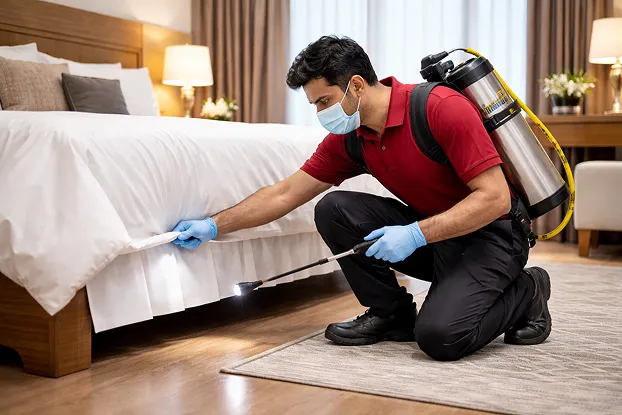
11. Scheduled Maintenance and Monitoring
A planned maintenance programme can be useful where the property has recurring risk or needs regular monitoring. Visit frequency should follow the assessment, the pest involved and the way the premises operate.
| Property Type & Size | Recommended Frequency | Typical Coverage |
|---|---|---|
| Occupant House / Small Boutique Commercial Property (up to 30 rooms) | Monthly service + need-based kitchen visits | Cockroach, rodent, ant, mosquito and fly control across rooms, kitchen and common areas |
| Mid-Size Commercial Property (30–80 rooms) | Monthly service + fortnightly kitchen & garbage treatment | All common pests; office floors, kitchens, laundry, stores, banquet, outdoor premises |
| Large Commercial Property (80–200 rooms) | Fortnightly service + weekly kitchen monitoring | Full IPM programme with monitoring stations, trend reports and audit support |
| Warehouse or Retail Facility / Business Property with Large Campus | Fortnightly + seasonal mosquito & garden treatment | Indoor pests, mosquito control, termite protection, rodent perimeter control, bird proofing |
| Commercial Kitchen or Event Venue / Event Venue | Monthly + pre-event treatment on request | Cockroach, rodent, fly and mosquito control in service kitchens, halls and outdoor premises |
| Restaurant / Cloud Kitchen | Fortnightly or monthly based on volume | Cockroach gel baiting, fly control, rodent monitoring, food-safety documentation |
An AMC can set out scheduled checks, reporting, escalation contacts and how additional service requests are considered. The terms and response arrangements should be confirmed in writing before the contract begins.
12. What Shapes a Service Estimate
A commercial quote may depend on the area to be treated, the number of rooms or zones, the pest type, the severity of activity and the method required.
Access arrangements, operating hours, stock movement, sensitive equipment and preparation needs can also affect the work involved. Share these details when requesting an estimate.
- Covered Area: The size and number of rooms or zones affect inspection time and the scope of work.
- Zone Count: Separate offices, stores, service corridors and shared facilities may need distinct checks or access arrangements.
- Food Handling: Kitchens and food-preparation spaces can require additional coordination and specific preparation steps.
- Nature of Activity: The pest involved, how widely it has spread and the evidence found during inspection affect the proposed scope.
- Visit Plan: A one-off visit and a recurring monitoring programme have different scopes and costs.
- Access and Layout: Basements, high-level spaces, restricted rooms and complex utility routes may affect the work required.
- Outdoor Areas: Perimeter landscaping, drains and water-holding spots may add inspection or prevention work where relevant.
- Timing Requirements: Work requested outside normal operating windows or around fixed events may need separate scheduling arrangements.
- Reporting Needs: Requested service records or special reporting formats should be specified before the estimate is finalised.
- Contract Terms: Compare the duration, number of visits, included monitoring and process for additional requests.
A one-time treatment and a continuing maintenance plan cover different needs. The proposal should state what is included, whether monitoring is part of the price and how follow-up visits are charged.
A site inspection or detailed discussion of the premises helps the team prepare a more relevant estimate. No final price should be assumed until the scope and site conditions are understood.
Request Free Audit13. Urgent Pest Concerns and Appointment Options
If pest activity is affecting a production area, kitchen or customer-facing space, explain what has been seen, where it occurred and whether the issue is ongoing. This helps the team assess the urgency.
Short-notice appointments depend on the site address, the nature of the concern and current team availability. The earliest suitable time will be confirmed after these details are reviewed.
- Bed bug concerns around furniture, fabric seams or staff-rest spaces that need inspection.
- Cockroach activity near food preparation, drains, equipment bases or waste collection points.
- Rodent signs near stored goods, utility openings, loading access or perimeter edges.
- Increased flying-insect activity around waste, standing water or outdoor gathering areas.
- Stinging-insect nests near doorways or frequently used outdoor spaces that require specialist assessment.
- Ant trails around food storage, pantry shelves or cracks near internal and external walls.
- Bird nesting or droppings on ledges, canopies, signs or other building surfaces.
Urgent work still requires appropriate preparation and safety steps. The service team will explain relevant precautions and whether monitoring or a follow-up visit should be considered.
14. Everyday Prevention for Facility Teams
Keep food and waste contained, clean spills promptly, remove rubbish on schedule and report leaks or damaged seals. These routines can reduce conditions that attract pests around busy work areas.
- Waste Routine: Keep waste in suitable closed containers and arrange regular removal from kitchens, stores and service routes.
- Drain Care: Include floor drains and wet service areas in the cleaning schedule, and report recurring blockages or residue build-up.
- Stock Storage: Keep cartons organised and raised where practical, rotate inventory and inspect deliveries for signs of pest activity.
- Leak Response: Report leaking pipes, damp patches and standing water promptly so the source can be addressed.
- Entry-Point Checks: Note damaged door seals, wall gaps and openings around service pipes for timely repair.
- Fabric Storage: Keep clean textiles in designated storage and report unusual marks or pest signs to the responsible team.
- Routine Checks: Include likely harbourage points in the site’s normal inspection routine where relevant to the property type.
- Receiving Areas: Keep loading points organised, remove discarded packaging and separate deliveries from food-preparation spaces.
- Perimeter Upkeep: Remove accumulated leaf litter, maintain drainage and avoid storing unused materials against exterior walls.
- Incident Logging: Record the location, date and type of pest sign and pass it to the nominated site contact.
Inspect incoming packaging and stored materials where practical, keep stock off damp floors, avoid standing water and report repeated sightings to the responsible contact. Prevention steps should reflect the risks observed at the site.
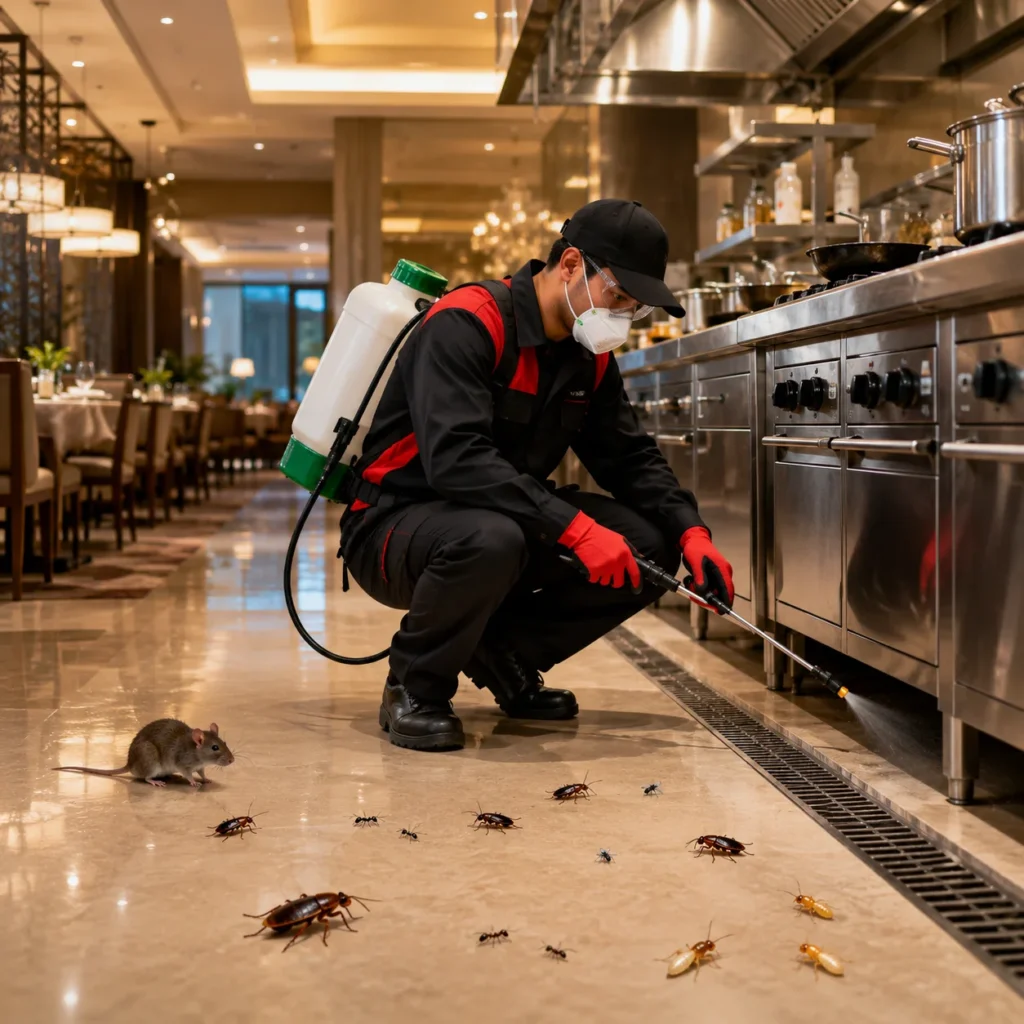
15. Coordinating Service with Your Team
Before the visit, nominate a contact who can arrange access, explain site restrictions and point out the affected areas. Share shift schedules and any sensitive spaces that need special coordination.
Tell staff what signs should be reported and how to log a sighting, including the location and time. Useful observations help the service team focus the next inspection.
After the visit, review the service note with the responsible contact and assign any agreed building-maintenance or housekeeping actions. Record new sightings so the next check can be targeted.
For multiple buildings or departments, confirm which locations are included and how access will be arranged at each one. Additional areas should be agreed before work begins.
Treatment precautions should be shared with the staff who need them, using the instructions for the method selected. Do not resume use of a treated area until the stated conditions are met.
A short review after service can capture what was completed, any outstanding site actions and the next agreed check. This keeps expectations clear for both the provider and the facility team.
16. Frequently Asked Questions
Here are answers to common questions about commercial pest control in Manesar. Service scope, safety instructions, records and appointment timing are confirmed according to the specific site.
Yes. We can discuss commercial pest control for offices, factories, warehouses, retail premises and food-service sites in Manesar. Share the site address and the type of concern so coverage and appointment availability can be confirmed.
Common concerns can include cockroaches around kitchens and drains, rodents near stored goods or loading areas, flies around waste, mosquitoes outdoors, ants in pantries and termite activity affecting building materials. The actual pest and source should be confirmed during inspection.
Treatment precautions depend on the method and the area involved. Before work begins, the team should explain the relevant preparation and access instructions; food, utensils and preparation surfaces must be protected and cleaned as directed before use resumes.
The records available depend on the agreed service. Ask during quotation about visit reports, treatment details, monitoring notes, product information and any documentation your internal hygiene or audit process requires.
Cost depends on the site area, number of rooms or work zones, pest type, extent of activity, access requirements and whether repeat monitoring is included. A site-based quotation is more reliable than a general rate.
The service window can be planned around shift changes or quieter periods where availability allows. Any preparation, restricted access or post-treatment instructions will be discussed before the visit is confirmed.
The suitable interval depends on the site assessment, the pest involved and the way the premises operate. Food-handling, storage and waste zones may need closer monitoring than lower-risk office areas.
Yes. If bed bugs are suspected, the inspection may cover furniture joints, fabric seams, bed frames and nearby resting areas. The recommended response depends on the findings and any preparation required.
Yes. Kitchens, event venues, offices, warehouses and retail sites can be assessed. The service plan will reflect the affected zones, operating schedule and precautions needed for the premises.
We can check availability for Manesar and nearby industrial areas once you share the full site address. Nearby coverage should be confirmed rather than assumed.
An AMC may suit sites where pest risks recur or where regular monitoring and service records are needed. A one-time visit may be appropriate for a specific issue; the inspection and business requirements help determine the better fit.
Response time depends on the exact location, the nature of the issue and team availability. Call +91 98105 17199 with the site details to ask about the earliest suitable appointment; timing is confirmed by the team.
17. Commercial Pest Control Coverage in Manesar
Commercial service availability can be checked for IMT Manesar, nearby numbered sectors and surrounding industrial or logistics areas. Share the complete address so the team can confirm whether the requested site is covered.
- Commercial Pest Management in IMT Manesar
- Commercial Pest Control near Sector 1, Manesar
- Commercial Pest Control in Sector 2, Manesar
- Commercial Pest Control in Sector 3, Manesar
- Commercial Pest Control near Sector 4, Manesar
- Commercial Pest Control in Sector 5, Manesar
- Commercial Pest Control near Sector 6, Manesar
- Commercial Pest Control in Sector 7, Manesar
- Commercial Pest Control near Sector 8, Manesar
- Commercial Pest Control in Sector 9, Manesar
- Commercial Pest Control near Sector 10, Manesar
- Commercial Pest Control in Sector 11, Manesar
- Commercial Pest Control around IMT industrial plots
- Commercial Pest Control near NH-48, Manesar
- Commercial Pest Control around Bilaspur Chowk
- Commercial Pest Control near Kasan village business areas
- Commercial Pest Control around Nakhrola
- Commercial Pest Control near Pachgaon
- Commercial Pest Control in nearby industrial and logistics pockets
- Commercial Pest Control in Manesar business parks, subject to confirmation
- Commercial Pest Control in adjoining Manesar industrial clusters, subject to confirmation
- Commercial Pest Control near Manesar logistics and transport corridors, subject to confirmation
Integrated Pest Management combines inspection, prevention, monitoring and targeted treatment. It also considers the building conditions and daily routines that may allow pest activity to continue.
Keep Your Commercial Premises Ready for Business
If your commercial premises need attention, tell us the property type, the affected zone and the signs noticed. We can discuss the next step and the information needed to prepare a suitable service proposal.
Before confirming the work, review the agreed areas, treatment approach, precautions, reporting and any follow-up arrangements. A clear scope helps your team prepare and coordinate the visit.
Book Your Free Commercial Pest AuditWhy a Site-Specific Plan Matters
A useful pest plan reflects the layout and day-to-day use of the premises rather than applying the same routine everywhere. Inspection findings should guide the treatment and prevention priorities.
The conditions around a site can change with weather, stock movement, construction work and occupancy. Periodic review helps identify whether the original plan still matches the observed risks.
Discuss changes in building use, new pest sightings or recurring hotspots with the service contact. The plan can be reviewed when inspection evidence indicates that a different focus is needed.
Practical Prevention Between Visits
Prevention depends on everyday practices as well as treatment. Cleanliness, suitable waste handling, moisture control and timely repairs can make the premises less attractive to pests.
Assign responsibility for checking high-risk areas and reporting concerns. A simple record of where and when activity was noticed can help the next inspection be more focused.
How to Assess a Pest Management Provider
Choose a provider that explains the inspection findings, proposed methods, precautions and service limits in clear terms. Ask who to contact if activity is noticed again after the visit.
Check that the proposal describes the work included, any preparation expected from your team and the way follow-up requests will be handled. Keep the agreed scope for your records.
Rechecking Risks Through the Year
Seasonal conditions may affect pest activity, particularly where water collects or goods move frequently through open loading points. Check these areas when site conditions change.
- Hot Weather: Check food-storage areas, waste points and water sources when warmer conditions increase pest activity.
- Rainy Period: Inspect drainage, water-holding containers and damp service spaces after rainfall, and arrange repairs where water accumulates.
- After Heavy Rain: Recheck perimeter drains, storage areas and gaps that may have become more noticeable as site conditions change.
- Cooler Months: Continue routine checks around heated food areas, stored goods and building openings instead of assuming pest activity has stopped.
After heavy rain, review drains and water-holding spots; during busy delivery periods, pay attention to packaging, shutter gaps and waste areas. Practical checks should reflect what the property actually experiences.