
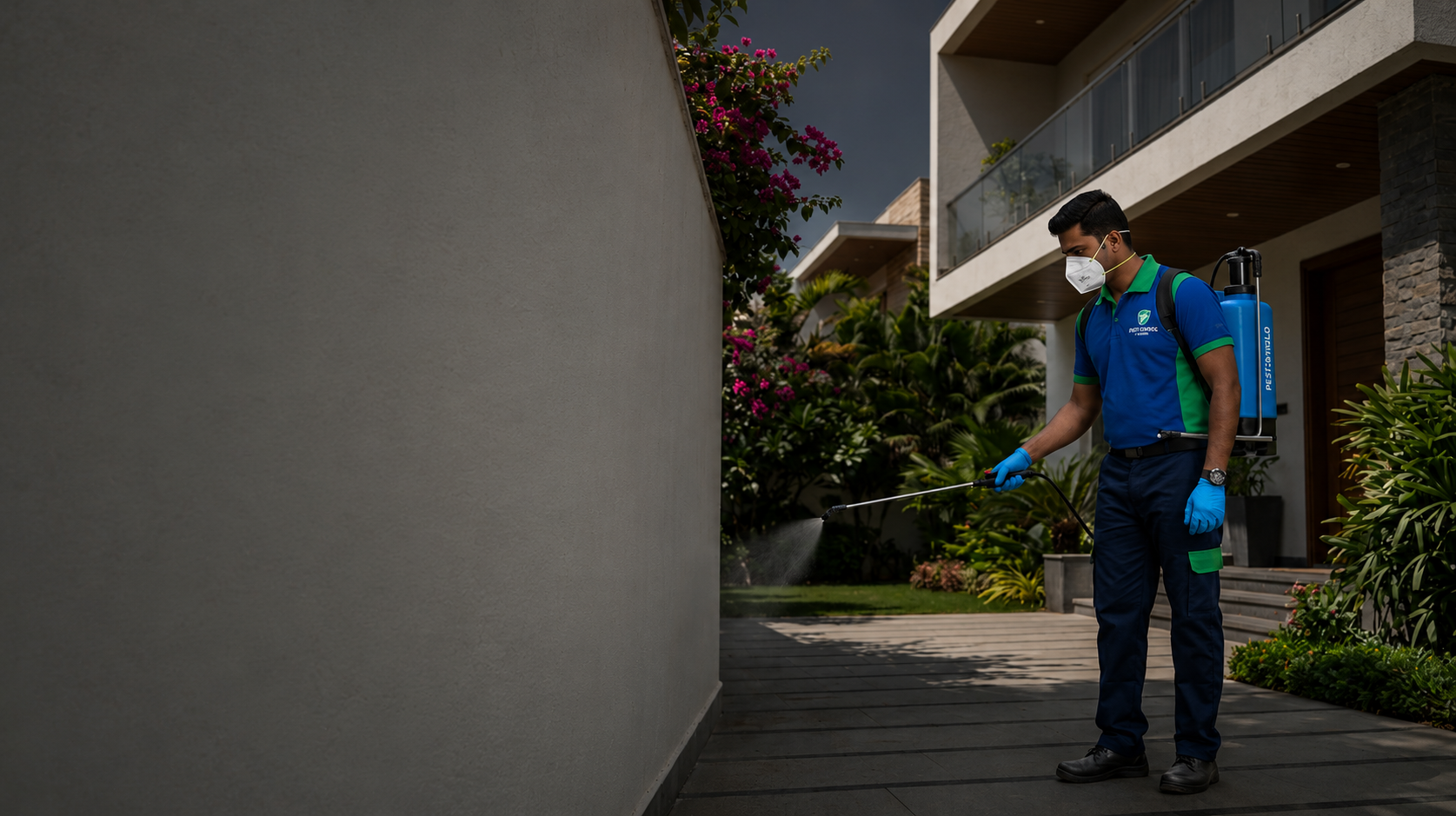
Restaurant Pest Control Service in Delhi
Restaurant Pest Control
Service in Delhi
Orient Pest Control is a specialised restaurant pest control service in Delhi delivering discreet, FSSAI-compliant and food-safe pest management for fine-dining restaurants, casual diners, cafés, bars, cloud kitchens, bakeries, food courts, catering kitchens, QSR outlets and hotel F&B operations across Delhi NCR. From cockroach gel baiting in commercial kitchens and rodent proofing in dry stores to fly management over garbage yards, drain treatment and mosquito control for outdoor seating — we handle the complete pest spectrum under one coordinated programme.
A single pest sighting can destroy a restaurant's online rating, trigger an FSSAI inspection, force a kitchen shutdown during peak hours or go viral on social media within minutes. That is why our commercial pest control in Delhi programme is built around prevention, documentation and zero-disruption execution. Every treatment is planned around your lunch and dinner service windows, delivery cycles and audit schedule so that your kitchen never stops.
14+
Years of Pest Control Experience
500+
Commercial & Restaurant Sites Served
100%
CIB&RC Approved Chemicals
4 Hrs
Emergency Response in Delhi NCR
Restaurant Pest Control in Delhi – Complete Service Guide
Explore our detailed guide covering restaurant pest problems, treatment methods, FSSAI compliance requirements, AMC plans, pricing factors and service areas across Delhi NCR.
- 1. What Is a Restaurant Pest Control Service?
- 2. Why Restaurants in Delhi Need Professional Pest Control
- 3. Common Pests Found in Delhi Restaurants
- 4. Our Restaurant Pest Control Services in Delhi
- 5. Our 8-Step Restaurant Pest Management Process
- 6. Restaurant Areas & Zones We Treat
- 7. Benefits of Professional Restaurant Pest Control
- 8. FSSAI, HACCP & Hygiene Audit Compliance
- 9. Chemicals, Safety & Food Protection Standards
- 10. Food Business Types We Serve in Delhi NCR
- 11. Why Choose Orient Pest Control for Restaurants
- 12. Restaurant Pest Control AMC Plans & Frequency
- 13. Restaurant Pest Control Cost in Delhi – Pricing Factors
- 14. Emergency & Same-Day Pest Treatment
- 15. Preventive Practices for Kitchen & Service Teams
- 16. Client Experiences & Success Stories
- 17. Restaurant Pest Control in Delhi – FAQs
- 18. Service Areas Across Delhi NCR
1. What Is a Restaurant Pest Control Service?
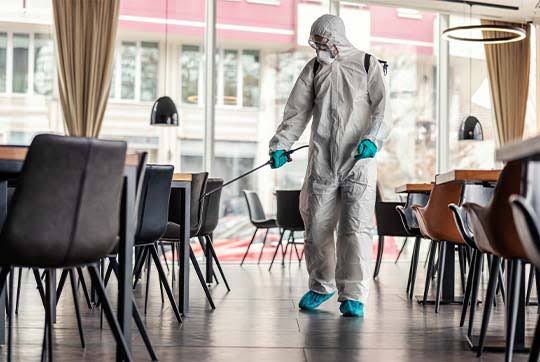
A restaurant pest control service is a specialised form of commercial pest management designed specifically for food-service environments. Unlike residential pest control, restaurant pest control must address a far more demanding challenge — a hot kitchen running 12 to 16 hours a day, dishwashing zones with constant moisture, dry stores and cold rooms, garbage yards, delivery entrances, grease traps, false ceilings, drainage lines, dining areas, washrooms and outdoor seating — all operating simultaneously with food openly handled and served.
At Orient Pest Control, our restaurant pest control service in Delhi goes well beyond spraying chemicals. It is a structured Integrated Pest Management (IPM) programme that combines inspection, identification, sanitation advisory, exclusion and proofing, targeted low-toxicity treatment, monitoring and continuous reporting. The objective is not only to eliminate existing pests but to prevent them from returning into a food handling environment.
Restaurant pest control also carries a heavy compliance dimension. Every food business in Delhi is subject to FSSAI regulations, and larger chains and multi-outlet brands are additionally audited under HACCP, ISO 22000 and their own internal food safety standards. A pest control provider must therefore supply documented evidence — service reports, chemical MSDS, bait station maps, pest trend analysis and corrective action records — that can be produced during an inspection without prior notice.
Our programme is engineered around three non-negotiable principles: food safety, operational continuity and documentation integrity. Every treatment is scheduled after closing hours or between service peaks; every chemical used is approved by the Central Insecticides Board & Registration Committee (CIB&RC); and every visit generates a digital report that your kitchen manager or compliance officer can file immediately.
Whether you run a 12-seat café in Hauz Khas, a 120-cover restaurant in Connaught Place, a delivery-only cloud kitchen in West Delhi or a multi-outlet chain across NCR, the fundamentals of professional restaurant pest control remain the same — plan ahead, treat discreetly, document thoroughly and monitor continuously.
2. Why Restaurants in Delhi Need Professional Pest Control
Delhi presents a uniquely challenging environment for food businesses. The city's hot and humid summers, prolonged monsoon, dense urban infrastructure, old drainage networks, shared market complexes, roadside waste accumulation, construction activity and heavy footfall create ideal conditions for pests to thrive. For restaurants, this means pest pressure is not a seasonal inconvenience — it is a year-round operational and legal risk.
Here is why professional pest control for restaurants in Delhi is essential rather than optional:
- Reputation Risk: A single guest photograph of a cockroach on a table or a fly in a dish can circulate on review platforms and social media within minutes. Restaurant reputation — and therefore footfall and delivery orders — is directly linked to hygiene perception.
- FSSAI & Regulatory Risk: FSSAI licensing and inspections require documented pest control records. Missing or outdated documentation can result in observations, penalties, suspension of licence and forced closure of the outlet.
- Food Contamination Risk: Cockroaches, rodents and flies are known mechanical vectors that contaminate food surfaces, utensils, packaging and ingredients. In a commercial kitchen, an infestation can lead to food-borne illness incidents and legal liability.
- Kitchen Shutdown Loss: Emergency fumigation or deep treatment can shut a kitchen for a day or more — a direct loss of revenue, delivery orders, spoiled stock and staff wages.
- Equipment & Structural Damage: Rodents gnaw through wiring, insulation and gas lines, creating fire hazards. Termites damage wooden counters, panelling and seating. Repair costs far exceed preventive treatment costs.
- Delivery Platform Ratings: Aggregator platforms and customer ratings are unforgiving. A hygiene complaint can reduce order visibility and damage a brand built over years.
- Year-Round Pest Activity: Delhi's climate means cockroach activity peaks in summer, fly and mosquito populations explode during the monsoon, rodents seek indoor shelter in winter, and stored product insects remain active in dry stores throughout the year.
A well-structured restaurant pest control programme in Delhi converts these risks into a managed, measurable and auditable process. Instead of reacting to complaints and inspections, your outlet operates on a preventive schedule with monitoring data, early warning indicators and rapid response capability.
3. Common Pests Found in Delhi Restaurants & Food Businesses
Every pest problem in a restaurant has a specific entry route, harbourage pattern and treatment requirement. Understanding which pests are most active in Delhi's climate — and where they typically appear in a food-service layout — allows us to design a targeted programme instead of a generic spray schedule.
| Pest | Common Restaurant Locations | Risk & Impact | Treatment Approach |
|---|---|---|---|
| Cockroaches | Cooking lines, dishwash areas, under sinks, wall voids, false ceilings, drain covers, dry stores, cold room motors, service shafts | Food contamination, FSSAI non-compliance, guest complaints, unpleasant odour, licence risk | Gel baiting at harbourage points, insecticidal dust in voids, drain treatment, crack & crevice sealing, monitoring stations |
| Rodents (Rats & Mice) | Dry stores, behind refrigeration units, false ceilings, cable ducts, garbage yards, delivery entrances, basements, drain lines | Food contamination, gnawed wiring and fire risk, packaging damage, disease transmission | Tamper-resistant bait stations, glue boards, trapping, entry-point proofing, drain grating, perimeter control |
| House Flies | Kitchen back areas, garbage yards, loading docks, drain openings, buffet counters, outdoor seating | Food contamination, hygiene violations, customer complaints, FSSAI observations | UV insect light traps, glue-based fly units, residual treatment of waste zones, sanitation advisory, door screening |
| Fruit Flies & Drain Flies | Bar counters, juice stations, salad prep, floor drains, mop sinks, grease traps, waste bins | Visible nuisance over food and drinks, negative guest perception, hygiene audit findings | Drain cleaning and bio-treatment, gel and residual application, waste handling guidance, moisture correction |
| Ants | Pantry counters, sugar and spice containers, service trolleys, floor gaps, potted plants, delivery crates | Food contamination, guest complaints, recurring nuisance in dining areas | Gel baiting, crack treatment, perimeter spraying, nest treatment, entry-point sealing |
| Stored Product Insects | Dry store, flour and grain bins, spice racks, packaged goods shelves, bakery ingredient storage | Infestation of food stock, wastage, audit findings, customer complaints | Shelving treatment, targeted residual and fumigation where required, stock rotation advisory, monitoring |
| Mosquitoes | Outdoor seating, garden areas, water features, drains, basement sumps, terrace seating, planters | Guest discomfort, dengue & malaria risk, reduced outdoor covers during monsoon | Larvicidal treatment of water sources, fogging, residual spraying, water management advisory |
| Termites | Wooden counters, bar tops, wall panelling, door frames, wooden seating, false ceiling frames | Structural damage, expensive repairs, loss of premium interiors | Drill-fill-seal treatment, chemical barrier creation, wood treatment, post-construction anti-termite |
| Spiders | Store rooms, ceilings, outdoor lighting, stairwells, back-of-house corners | Guest discomfort, housekeeping complaints | Web removal, residual treatment, lighting management advisory |
| Birds (Pigeons) | Signage boards, ledges, AC units, entrance canopies, outdoor seating overheads, atrium areas | Droppings on seating and food areas, corrosion, slip hazards, health risk | Bird netting, spike installation, ledge proofing, droppings sanitisation |
Our technicians are trained to identify not just the visible pest activity but the underlying conditions that allow pests to survive — moisture, food debris, grease buildup, gaps in construction, unsealed utility penetrations and inadequate waste handling. Addressing these conditions is what makes our restaurant pest control in Delhi effective in the long term.
4. Our Restaurant Pest Control Services in Delhi
Orient Pest Control offers a comprehensive suite of pest management services tailored to the operational realities of Delhi's food-service sector. Each service can be delivered as a one-time corrective treatment or integrated into an Annual Maintenance Contract for continuous protection.
Cockroach Control for Restaurant Kitchens
Advanced gel baiting, insect growth regulators, void dusting and drain treatment designed for cooking lines, dishwash zones, dry stores and service shafts. Odourless, food-safe application with no kitchen shutdown required.
Rodent Control & Proofing for Restaurants
Tamper-resistant bait stations, glue boards, trapping, entry-point sealing, drainage grating and false-ceiling proofing to eliminate rats and mice from stores, kitchens, basements and utility ducts.
Fly Control for Kitchens & Dining
UV insect light traps, fly glue units, residual spraying and sanitation advisory for kitchen back areas, garbage yards, loading docks, buffet counters and outdoor seating spaces.
Drain Fly & Fruit Fly Treatment
Targeted treatment of floor drains, grease traps, mop sinks and bar areas using drain gels, bio-enzyme cleaners and residual application, combined with moisture and waste-handling guidance.
Ant Control for Pantry & Counters
Bait-based elimination of ant colonies in pantries, prep counters, sugar and spice storage, service trolleys and delivery crates, with perimeter treatment to prevent re-entry.
Mosquito Control for Outdoor Seating
Larvicidal treatment of water bodies, sumps and drains, plus adult fogging and residual spraying across outdoor seating, terraces, gardens and entrance areas — critical during Delhi's monsoon season.
Termite Treatment for Restaurant Interiors
Drill-fill-seal treatment, chemical soil barriers, wood preservation and post-construction anti-termite application to protect counters, bar tops, panelling, door frames and wooden seating.
Bird Control & Droppings Sanitisation
Bird netting, anti-perch spikes, ledge proofing and safe removal of pigeon droppings from signage, canopies, AC units and outdoor seating overheads to protect customer-facing areas.
Restaurant Pest Control AMC
A structured annual maintenance contract with scheduled preventive visits, emergency call-outs, monitoring stations, digital reporting and FSSAI-ready documentation for complete year-round protection.
Need an urgent pest treatment for your restaurant in Delhi?
Call +91 98105 171995. Our 8-Step Restaurant Pest Management Process
A successful restaurant pest control programme is not a single visit — it is a managed cycle of assessment, treatment, monitoring and improvement. Our process has been refined across hundreds of commercial kitchens in Delhi NCR and is designed to deliver measurable, documented results without interrupting service.
Free Site Audit & Kitchen Pest Risk Assessment
Our certified surveyor conducts a complete walkthrough of your outlet — cooking line, prep area, dishwash, dry store, cold room, bar, garbage yard, washrooms, dining area, false ceilings and drainage. We identify pest species, activity hotspots, entry points, harbourage conditions and sanitation gaps, and prepare a written risk report.
Customised Treatment Plan & Proposal
Based on the audit findings, we design an outlet-specific pest management plan covering treatment methods, chemical selection, visit frequency, service windows and reporting format. The proposal clearly documents scope, timeline and cost with no hidden charges.
Sanitation & Kitchen Hygiene Advisory
Before chemical intervention, we advise your kitchen and cleaning teams on waste segregation, drain cleaning, grease trap maintenance, dry-store organisation, stock rotation and moisture control. Correcting these conditions dramatically improves treatment effectiveness and longevity.
Exclusion & Proofing Work
Rodent entry points, pipe penetrations, gaps beneath delivery doors, damaged drain covers, broken ventilators and unsealed utility openings are identified and sealed using appropriate materials. This is the most sustainable form of pest prevention in a food environment.
Targeted Low-Toxicity Treatment
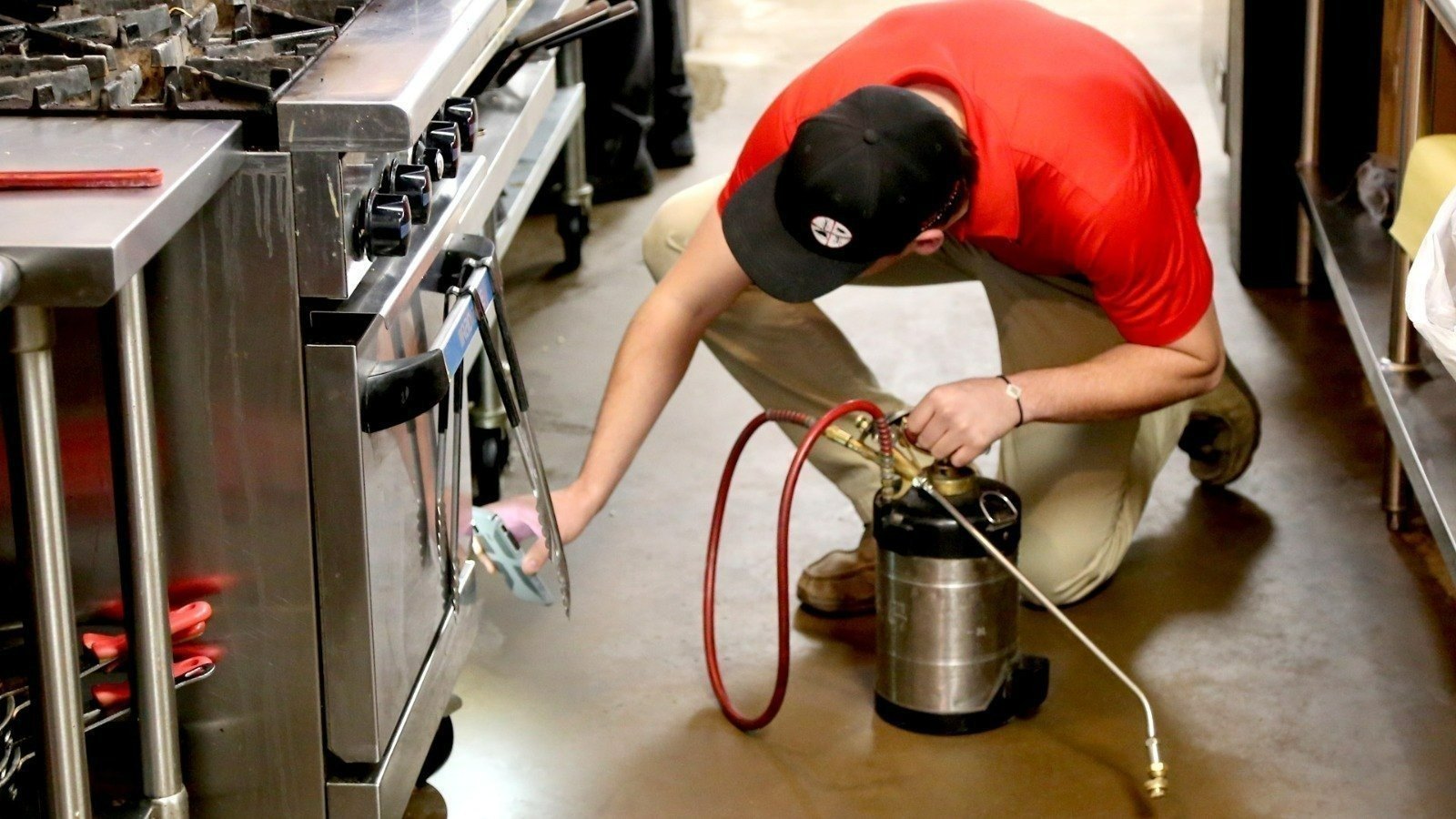
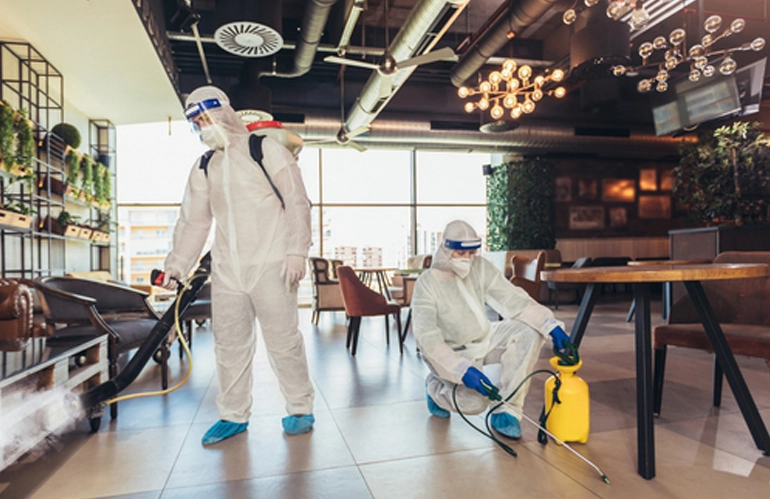
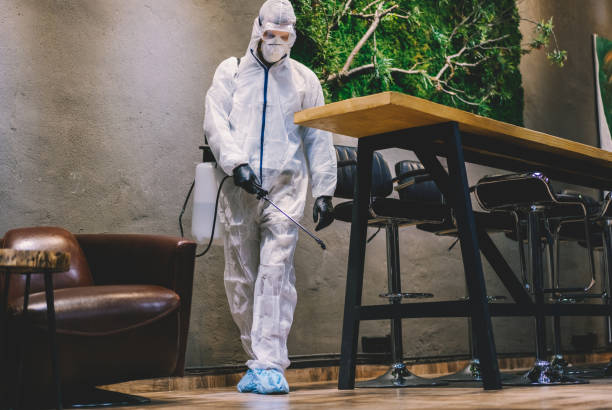
Treatments are applied using CIB&RC approved, odourless formulations, gels, dusts and baits. Kitchens are treated after closing hours with all food, utensils and preparation surfaces covered or removed; dining areas are treated with minimal residual odour so that the outlet can reopen on schedule.
Monitoring Station Installation
Numbered rodent bait stations, glue boards, insect monitors and UV fly traps are installed at strategic points and mapped for your records. These provide early warning of pest activity before it becomes visible to customers or inspectors.
Digital Documentation & Reporting
Every visit generates a digital service report including areas treated, chemicals used with batch numbers, observations, corrective actions and photographic evidence. Reports are consolidated into monthly trend analysis for your FSSAI and internal audit files.
Follow-Up, Verification & Continuous Improvement
Scheduled follow-up visits verify treatment results, refresh bait stations and address new activity. Quarterly reviews with your management team identify improvement opportunities and adjust the programme based on seasonal pest pressure and menu or layout changes.
6. Restaurant Areas & Zones We Treat
A restaurant is a collection of very different micro-environments packed into a compact footprint. A treatment suitable for a dry store is inappropriate for a bar counter, and a method used in a garbage yard is unsuitable for a dining area. Our technicians work zone by zone with protocols tailored to each area.
- Cooking Line & Hot Kitchen: Gel baiting, void dusting, drain treatment and fly traps for ranges, tandoor, fryers, grills and exhaust hood surrounds.
- Prep & Cold Kitchen: Targeted cockroach and ant control around chopping stations, sinks and under-counter refrigeration, with food-safe products only.
- Dishwash & Mop Sink Area: Drain fly and cockroach treatment, grease trap management and moisture correction — the highest-risk zone in most kitchens.
- Dry Store & Spice Room: Stored product insect control, rodent exclusion, shelving treatment and stock rotation guidance.
- Cold Rooms & Walk-ins: Monitoring around compressor units, door seals and floor drains, with treatments safe for food storage environments.
- Bar & Beverage Counter: Fruit fly and drain fly control, gel baiting beneath counters and sanitation advisory for syrups, juices and garnishes.
- Dining Area & Seating: Discreet ant, spider and fly management with odourless products, scheduled outside service hours.
- Buffet & Service Counters: Fly light traps, monitoring and residual treatment of surrounding wall and floor junctions.
- Washrooms & Handwash Stations: Drain treatment, cockroach control and moisture management in guest-facing facilities.
- Garbage Yard & Waste Storage: Heavy fly and rodent pressure zones requiring frequent treatment, drain management and container sanitisation.
- Delivery & Loading Entrance: Rodent proofing, fly control and monitoring at the highest-traffic entry point of the outlet.
- Outdoor Seating, Terrace & Garden: Mosquito control, ant management, larvicidal treatment of water features and perimeter treatment.
- Basement, Store & Utility Rooms: Rodent control, drain treatment, mosquito larviciding in sumps and proofing of utility penetrations.
- Staff Areas & Locker Rooms: Cockroach, rodent and fly control in staff dining, changing rooms and rest areas.
This zone-by-zone approach ensures that every part of your outlet receives appropriate attention without over-treating sensitive food-contact and customer-facing areas.
7. Benefits of Professional Restaurant Pest Control in Delhi
Investing in a structured restaurant pest control programme delivers returns that extend far beyond the absence of insects. Here is what a professional programme actually protects:
Protected Brand Reputation
Consistent pest prevention keeps review platforms and social media clean, and protects the ratings, footfall and delivery orders your outlet depends on.
FSSAI & Audit Readiness
Complete documentation, MSDS records, bait maps and trend reports keep your outlet prepared for FSSAI inspections, HACCP and ISO 22000 audits at any time.
Food Safety Assurance
Eliminating cockroaches, rodents and flies from kitchens and stores reduces the risk of food contamination, illness incidents and associated legal exposure.
Lower Long-Term Costs
Preventive treatment costs significantly less than emergency remediation, kitchen shutdown, spoiled stock, compensation payouts and equipment repairs.
Zero Service Disruption
Fast, after-hours treatments mean your kitchen and dining area reopen on schedule, with no loss of lunch, dinner or delivery business.
Guest & Staff Safety
Odourless, low-toxicity, CIB&RC approved formulations protect diners, kitchen staff and service teams from unnecessary chemical exposure.
Data-Driven Decisions
Monthly trend reports show pest activity patterns by zone, helping management take targeted corrective action rather than guessing.
Equipment & Interior Protection
Rodent and termite control protects wiring, gas lines, refrigeration units, wooden counters and premium interiors from costly, irreversible damage.
Rapid Emergency Response
AMC clients receive priority same-day response for urgent pest issues, including early morning, late night and weekend call-outs across Delhi NCR.
8. FSSAI, HACCP & Hygiene Audit Compliance for Restaurants
For restaurants in Delhi, pest control documentation is as important as the treatment itself. During an FSSAI inspection or a food safety audit, an inspector will typically ask to see your pest control contract, service frequency records, chemical details, monitoring station map and corrective action log. Missing or incomplete records can result in major non-conformities, penalties or licence action.
Orient Pest Control structures every restaurant contract to be audit-ready from day one.
| Audit Requirement | What We Provide |
|---|---|
| Pest Control Contract | Formal AMC agreement with defined scope, frequency, service windows and escalation matrix |
| Service Records | Digital visit reports with date, time, technician name, areas treated and observations |
| Chemical Documentation | Chemical name, active ingredient, CIB&RC registration number, MSDS and dilution details |
| Monitoring Station Map | Numbered layout of bait stations, glue boards and insect light traps with placement rationale |
| Trend Analysis | Monthly and quarterly pest activity trends by zone, with recommendations |
| Corrective Action Log | Record of identified issues, action taken, responsible person and closure date |
| Technician Credentials | Trained and certified technicians with identification and safety compliance |
| Training Support | Optional staff awareness sessions on pest prevention for kitchen and service teams |
This documentation framework supports compliance with FSSAI, HACCP, ISO 22000, Food Safety and Standards Regulations and international chain-specific hygiene standards. Many of our restaurant clients in Delhi use our monthly reports directly in their compliance files without modification.
9. Chemicals, Safety & Food Protection Standards
Food safety is the single most important consideration in restaurant pest control. A treatment that eliminates pests but leaves odour, residue or health risk on food contact surfaces is not an acceptable outcome. Our chemical and application standards are therefore strict.
- CIB&RC Approved Products Only: Every chemical we use is registered with the Central Insecticides Board & Registration Committee, Government of India.
- Odourless & Low-Toxicity Formulations: Preferred use of gels, baits, dusts and micro-encapsulated products that minimise odour, staining and airborne residue in kitchens and dining areas.
- No Blanket Spraying in Food Areas: We treat specific harbourage points, cracks, voids, drains and activity zones rather than broadcasting chemicals across open food-contact surfaces.
- Food-Safe Application Protocol: All food, utensils, packaging and preparation surfaces are covered or removed before treatment and cleaned before the kitchen resumes operations.
- After-Hours Scheduling: Treatments are carried out after closing or during low-service windows so that no guest or staff member is exposed during application.
- Certified & Trained Technicians: All technicians are trained in safe handling, correct dosage, personal protective equipment use and emergency procedures.
- Proper Ventilation & Re-Entry Control: Treated areas are ventilated and released only after the recommended re-entry interval has elapsed.
- Environmental Responsibility: Wherever effective, we prioritise non-chemical methods such as proofing, trapping, monitoring and sanitation correction before chemical intervention.
We also provide Safety Data Sheets (MSDS) for every product used at your outlet, which your kitchen manager or compliance officer can file for FSSAI inspection and staff awareness purposes.
10. Food Business Types We Serve in Delhi NCR
Our commercial pest control in Delhi team works across the full spectrum of food-service and hospitality F&B operations. Each format has a distinct pest profile, and our programmes are adapted accordingly.
Fine Dining & Multi-Cuisine Restaurants
Large hot kitchens, multiple prep zones, bars and premium dining areas require a structured AMC with discreet after-hours treatment and complete documentation.
QSR Outlets & Fast Food Chains
Compact kitchens with high throughput, open counters and multiple outlets need fortnightly gel baiting, fly control and standardised reporting across locations.
Cafés, Bakeries & Patisseries
Display counters, open kitchens and baking areas demand precise, low-odour treatments scheduled outside peak morning and evening footfall.
Cloud Kitchens & Delivery-Only Brands
Shared kitchen facilities with multiple brands require rigorous cockroach, drain fly and rodent control plus FSSAI-ready records for aggregator compliance.
Bars, Pubs & Lounges
Fruit fly, drain fly and cockroach pressure around bar counters, glasswash areas and ice machines requires targeted treatment and sanitation advisory.
Food Courts & Mall Outlets
Shared waste areas, common corridors and heavy footfall need coordinated treatment schedules that respect mall management rules and operating hours.
Caterers & Central Production Kitchens
Bulk cooking, cold storage and event logistics require large-scale rodent proofing, stored product insect control and pre-event inspections.
Buffet, Thali & Banquet Catering Units
High-volume service with open buffet counters needs fly management, monitoring and rapid response before large functions and weddings.
Hotel F&B & Restaurant Operations
Multi-outlet hotel kitchens, coffee shops and banquets receive a combined programme covering all F&B zones alongside guest areas.
11. Why Choose Orient Pest Control for Your Restaurant in Delhi
Delhi has no shortage of pest control companies. What distinguishes a reliable food-service pest management partner is consistency, documentation, discretion and the ability to work within the operational constraints of a working kitchen.
- Food-Service Specialisation: We understand restaurant operations — service peaks, delivery cycles, prep schedules, staff shifts, FSSAI audits and the absolute necessity of not disrupting a single cover.
- 14+ Years of Experience: Over a decade of treating commercial, residential and hospitality properties across Delhi NCR has given us deep familiarity with local pest behaviour and building types.
- Integrated Pest Management Approach: We combine inspection, sanitation advisory, exclusion, targeted treatment and monitoring rather than relying on chemicals alone.
- Audit-Ready Documentation: Digital reports, MSDS, bait station maps and trend analysis prepared specifically for FSSAI, HACCP and chain-level audits.
- Odourless & Food-Safe Products: CIB&RC approved, low-toxicity formulations suitable for kitchens, prep areas and occupied dining spaces.
- Flexible Service Windows: Post-closing, early morning, split-shift and weekend slots so that your kitchen never stops during business hours.
- Priority Emergency Response: AMC clients receive rapid call-out support, typically within a few hours anywhere in Delhi NCR.
- Transparent Pricing: Clear proposals with defined scope and no hidden charges, plus honest recommendations on what your outlet actually needs.
- Dedicated Account Management: A single point of contact for scheduling, escalations, reporting and quarterly programme reviews.
- Complete Service Coverage: Cockroach, rodent, fly, drain fly, ant, mosquito, spider, termite and bird control under one contract — no need to manage multiple vendors.
If you are evaluating pest control companies in Delhi for your restaurant, we welcome the opportunity to conduct a free kitchen audit and demonstrate how our programme differs.

12. Restaurant Pest Control AMC Plans & Recommended Frequency
An Annual Maintenance Contract (AMC) is the most effective and cost-efficient way to manage pests in a restaurant. Instead of reacting to infestations and inspection observations, an AMC establishes a fixed preventive schedule with defined deliverables, monitoring and reporting.
| Outlet Type / Size | Recommended Frequency | Typical Coverage |
|---|---|---|
| Small Café / Bakery (up to 30 covers) | Monthly service + need-based kitchen visits | Cockroach, rodent, ant, fly control; kitchen, counter, store, washroom |
| Standalone Restaurant (30–80 covers) | Fortnightly service + weekly kitchen monitoring | Cockroach, rodent, fly, drain fly, ant control; kitchen, store, dining, garbage |
| Large Restaurant / Multi-Cuisine (80–150 covers) | Fortnightly + weekly kitchen & drain treatment | Full IPM programme with monitoring stations, fly traps, trend reports, audit support |
| Cloud Kitchen / Delivery-Only Kitchen | Fortnightly or weekly depending on order volume | Cockroach gel baiting, drain fly treatment, rodent monitoring, FSSAI documentation |
| Multi-Outlet Chain / Food Court Brand | Fortnightly per outlet with centralised reporting | Standardised programme across locations, dedicated account manager, chain-level audit files |
| Restaurant with Outdoor Seating / Garden | Fortnightly + seasonal mosquito & garden treatment | Indoor pests, mosquito control, termite protection, rodent perimeter control, bird proofing |
| Catering / Central Production Kitchen | Fortnightly + pre-event inspections | Rodent proofing, stored product insect control, fly management, large-scale monitoring |
Every AMC includes emergency call-out provisions, digital reporting and a defined escalation matrix. Frequency can be adjusted seasonally — for example, increasing fly and mosquito treatment during Delhi's monsoon months (July to September) and rodent control during winter.
13. Restaurant Pest Control Cost in Delhi – What Affects Pricing?
Restaurant pest control pricing is never a flat rate because no two food businesses are the same. A 20-seat café in Lajpat Nagar with a single counter has very different requirements from a 150-cover multi-cuisine restaurant in Connaught Place with a separate bar, bakery and two prep kitchens.
The following factors determine the cost of your restaurant pest control programme:
- Kitchen Size & Layout: The number of cooking, prep and dishwash zones directly influences service duration and material consumption.
- Total Built-Up Area: The square footage requiring treatment and monitoring affects both labour and product requirements.
- Number of Outlets: Multi-outlet chains and food court brands require coordinated schedules and standardised reporting across locations.
- Seating Capacity & Footfall: Higher covers mean more waste, more moisture and greater pest pressure, requiring more frequent treatment.
- Pest Type & Severity: Established cockroach or rodent infestations, termite activity and drain fly problems require more intensive corrective treatment.
- Service Frequency: Weekly, fortnightly or monthly visits — higher frequency means higher contract value but stronger prevention.
- Outlet Complexity: Basements, false ceilings, multiple floors, service shafts and outdoor seating increase treatment complexity.
- Outdoor & Landscaped Area: Terraces, gardens, water features and open seating require separate mosquito and larvicidal management.
- Documentation Requirements: Chain-level, HACCP or international brand documentation may require additional reporting and review time.
- Emergency Response Expectations: Contracts with guaranteed rapid response carry different terms than standard scheduled service.
- Contract Duration: Annual contracts are typically more economical per visit than short-term or one-time engagements.
We provide a free on-site audit and a transparent written proposal with a clearly itemised scope. There are no hidden charges, and we will honestly tell you if your outlet needs less — or more — than you initially assumed.
Get a customised restaurant pest control quotation for your Delhi outlet
Request Free Audit14. Emergency & Same-Day Pest Treatment for Restaurants
Pest emergencies do not follow business hours. A cockroach spotted on a prep counter during dinner service, a rat running across the dry store before a delivery, or a fly swarm over a buffet counter at a private function cannot wait until the next scheduled visit.
Orient Pest Control provides emergency pest control in Delhi for restaurants and food businesses, with priority response for AMC holders. Our emergency service covers:
- Cockroach sightings in kitchens, prep areas, stores or dining floors
- Rodent activity in dry stores, kitchens, false ceilings or garbage areas
- Sudden fly or drain fly surges in kitchens, bars or dining areas
- Ant trails on counters, service stations or in customer seating
- Mosquito swarms affecting outdoor seating and evening service
- Wasp or bee nests near entrances, windows or delivery doors
- Bird nesting or droppings over outdoor seating and entrance canopies
- Pre-inspection emergency treatment before an FSSAI or client audit
Emergency treatments are carried out with the same safety and documentation standards as scheduled visits, and are followed by a verification inspection to confirm the issue has been resolved. Call +91 98105 17199 for immediate assistance anywhere in Delhi NCR.
15. Preventive Practices for Restaurant Kitchen & Service Teams
Pest control works best when it is supported by daily operational discipline. Our technicians provide on-site guidance to your teams, but the following practices consistently deliver the greatest preventive value in Delhi restaurants:
- Waste Management: Segregate waste at source, use closed bins with liners, and clear kitchen waste at least twice per shift. Never allow wet waste to stand overnight in the kitchen or service corridor.
- Drain Hygiene: Clean floor drains, mop sinks and grease traps daily. Organic and grease buildup in drains is the single biggest cause of cockroach and drain fly problems in restaurants.
- Dry Store Discipline: Keep all dry stores off the floor on pallets or shelving, rotate stock on a first-in-first-out basis, and inspect incoming deliveries for signs of pests before storage.
- Moisture Control: Repair leaking taps, pipes, dishwash lines and drainage points immediately. Standing water supports fly and mosquito breeding and attracts a wide range of insects.
- Gap Sealing: Seal cracks in walls, gaps around pipes, damaged tiles, and openings around delivery doors and windows. These are the primary entry routes for cockroaches, ants and rodents.
- Delivery Area Control: Keep the loading and delivery entrance clean, inspect all incoming crates and cartons, and never store packaging material in food preparation areas.
- Cold Room Care: Check door seals, clean floor drains inside walk-ins, and maintain temperature logs — condensation and food spillage attract pests.
- Bar & Beverage Hygiene: Rinse syrup lines, cover garnishes and juices, and clean glasswash and ice machine drainage daily to prevent fruit fly breeding.
- Outdoor Area Upkeep: Remove standing water from planters, coolers and drains, keep garden areas trimmed and clear leaf litter to reduce mosquito and ant pressure.
- Prompt Reporting: Any pest sighting — however minor — should be logged and reported so that it can be addressed before it becomes a customer-facing issue.
We supplement these practices with optional staff training sessions that help your kitchen and service teams recognise early warning signs of pest activity.
16. Client Experiences & Success Stories
Over the years we have worked with restaurants, cafés, cloud kitchens, bakeries, bars, food courts and catering units across Delhi NCR. Here is what some of our food-service clients say about working with Orient Pest Control.
"We had a persistent cockroach problem near our dishwash and drain area and it was showing up in our FSSAI inspection observations. Orient Pest Control inspected the entire kitchen, treated the drains and wall voids with gel and dust, and gave us proper documentation with MSDS. Within two visits the activity stopped and our next inspection was clean. They always come after closing, so service is never affected."
"We run a cloud kitchen with three brands operating from the same facility. Fly and drain fly issues were hurting our hygiene ratings on delivery apps. The team set up light traps, treated all the drains and advised us on waste handling. The difference is clearly visible and the monthly reports are ready for any audit."
"Our café has an open display counter and outdoor seating, and mosquitoes were a real problem in the evenings during monsoon. Since starting the AMC, they treat the water sources and drains regularly and manage the outdoor area along with the kitchen. Customer complaints have dropped to almost zero."
"We were opening a new outlet and needed a reliable pest control partner before the FSSAI inspection. Orient Pest Control did a full pre-opening treatment, sealed rodent entry points in the delivery area, and set up all the monitoring stations. They also trained our kitchen staff on basic prevention. Very professional and reasonably priced."
These experiences reflect our core commitment — clear communication, careful execution, complete documentation and genuine respect for the operational demands of a working restaurant.
17. Restaurant Pest Control in Delhi – Frequently Asked Questions
Answers to the most common questions restaurants, cafés and cloud kitchens ask about pest control services in Delhi.
A restaurant pest control service in Delhi includes a full kitchen and premises pest audit, identification of pest hotspots in cooking areas, dishwash zones, dry stores, cold rooms, garbage yards and dining areas, targeted treatment for cockroaches, rodents, flies, ants, mosquitoes and termites, proofing and exclusion work, safe placement of monitoring stations, digital service reports and ongoing maintenance under an Annual Maintenance Contract (AMC).
Yes. Orient Pest Control uses CIB&RC approved, odourless and low-toxicity formulations along with gel baits, glue monitors and non-chemical proofing methods that are suitable for food handling areas. Treatments are scheduled after closing hours or during low-service windows, and all food, utensils and preparation surfaces are covered or removed and cleaned before the kitchen resumes.
Yes. We provide treatment records, chemical safety data sheets (MSDS), service reports, bait station maps, pest trend analysis and audit-ready documentation that supports FSSAI, HACCP, ISO 22000 and food safety audits for restaurants, cafés, cloud kitchens and catering units in Delhi.
The cost of restaurant pest control in Delhi depends on the kitchen size, number of outlets, seating capacity, total built-up area, pest severity, treatment type and AMC frequency. A small café may start from a modest monthly AMC, while multi-outlet chains and large food courts require a customised quotation. We provide a free site audit and a transparent written proposal.
No. Treatments are planned around your service hours, usually after closing or during the lull between lunch and dinner service. Odourless gels, baits and dusts are used so that the kitchen and dining areas can be reopened quickly with no residual smell or disruption to guests.
Most restaurants in Delhi benefit from a fortnightly pest control service, with weekly monitoring for high-volume kitchens, cloud kitchens and outlets in markets or near drains. Low-footfall cafés may manage with a monthly visit. An AMC with a fixed schedule is the most reliable and cost-effective approach.
Yes. Cockroach control for restaurant kitchens uses advanced gel baiting at harbourage points, insect growth regulators, insecticidal dust in voids and false ceilings, drain treatment and crack-and-crevice sealing. No blanket spraying is done on food contact surfaces, and the kitchen can typically resume operations the same day.
Fly control combines UV insect light traps, glue-based fly units, residual treatment of garbage yards and loading areas, drain sanitation, and advice on waste segregation and door/window screening. This reduces fly pressure both in the kitchen and in guest seating areas.
We cover all of Delhi including Connaught Place, Karol Bagh, Rajouri Garden, Lajpat Nagar, Hauz Khas, Saket, Nehru Place, Okhla, Mayur Vihar, Rohini, Pitampura, Janakpuri, Dwarka, Noida, Gurugram, Faridabad and Ghaziabad.
Yes. Our restaurant pest control AMC includes scheduled preventive visits, emergency call-out support, kitchen gel baiting, rodent bait stations and proofing, fly management with light traps, drain treatment, mosquito control for outdoor seating, plus monthly reporting and FSSAI-ready documentation.
For AMC clients we offer priority emergency response, typically within a few hours in Delhi NCR. Emergency treatments for cockroaches, rodents, flies or wasps can be arranged on the same day, including early morning, late night and weekend slots so that service is not interrupted.
Yes. Daily cleaning removes visible dirt but cannot eliminate pests that enter through drains, delivery doors, service shafts, packaging, garbage areas and false ceilings. Professional pest control provides chemical barriers, monitoring stations and proofing that routine cleaning alone cannot achieve, and it also generates the documentation required for FSSAI compliance.
18. Service Areas – Restaurant Pest Control Across Delhi NCR
Orient Pest Control provides restaurant pest control services across Delhi NCR, covering fine-dining restaurants, cafés, bars, cloud kitchens, bakeries, food courts, QSR outlets, catering kitchens and hotel F&B operations. Our teams are stationed across the city, allowing fast response times regardless of your location.
- Restaurant Pest Control in Connaught Place
- Restaurant Pest Control in Karol Bagh
- Restaurant Pest Control in Rajouri Garden
- Restaurant Pest Control in Lajpat Nagar
- Restaurant Pest Control in Hauz Khas
- Restaurant Pest Control in Saket
- Restaurant Pest Control in Nehru Place
- Restaurant Pest Control in Okhla
- Restaurant Pest Control in Mayur Vihar
- Restaurant Pest Control in Rohini
- Restaurant Pest Control in Pitampura
- Restaurant Pest Control in Janakpuri
- Restaurant Pest Control in Dwarka
- Restaurant Pest Control in Vasant Kunj
- Restaurant Pest Control in Greater Kailash
- Restaurant Pest Control in Chanakyapuri
- Restaurant Pest Control in Paharganj
- Restaurant Pest Control in Aerocity
- Restaurant Pest Control in Mahipalpur
- Restaurant Pest Control in Noida
- Restaurant Pest Control in Gurugram
- Restaurant Pest Control in Faridabad
- Restaurant Pest Control in Ghaziabad
- Restaurant Pest Control in Greater Noida
Whether your outlet is located in a busy high-street market, a mall food court, a residential neighbourhood, a commercial complex or an industrial area, our teams can reach you quickly. For locations outside these areas, please contact us to confirm availability.
Protect Your Restaurant's Reputation with Professional Pest Control
Orient Pest Control delivers FSSAI-compliant, food-safe and discreet pest management for restaurants, cafés, cloud kitchens, bakeries, bars and food courts across Delhi NCR. From cockroach gel baiting in commercial kitchens and drain fly treatment in dishwash areas to rodent proofing in dry stores, fly management over garbage yards and mosquito control for outdoor seating — we manage the complete pest spectrum under one contract.
Get a free on-site kitchen pest audit, a transparent proposal and a documented programme tailored to your outlet's size, service pattern and audit requirements.
Book Your Free Kitchen Pest AuditWhy Restaurant Pest Control in Delhi Requires a Specialist Approach
Delhi's food-service market is one of the most competitive in India. With thousands of restaurants, cafés, cloud kitchens, bakeries, bars and food courts operating across the city, customer expectations around cleanliness and hygiene have never been higher. Online reviews, aggregator hygiene ratings and FSSAI compliance now directly influence footfall and order volumes, and pest control has become a critical part of that equation.
What makes restaurant pest control in Delhi genuinely challenging is the combination of environmental pressure and operational intensity. The city's climate supports year-round pest activity, its dense infrastructure provides countless entry routes through shared drains and market complexes, and its kitchens operate long hours with food openly handled. A pest control programme must therefore be preventive, discreet and thoroughly documented.
A specialist food-service pest control provider understands that a kitchen cannot be shut down for a full day, that prep must start at 8 AM regardless of what happened the night before, that delivery orders cannot be paused, and that inspection documentation may be requested with little notice. This operational awareness is what separates a professional restaurant pest control service from a generic pest control visit.
At Orient Pest Control, our food-service division works exclusively within these constraints. We schedule around your service windows, treat after closing or between peaks, use odourless products that will not affect food or guests, and generate documentation that supports your FSSAI obligations. Our technicians are trained to work quietly and professionally in compact, high-pressure kitchen environments.
Integrated Pest Management (IPM) – The Right Approach for Restaurants
Integrated Pest Management is a systematic approach that prioritises prevention over reaction. In a restaurant context, IPM means understanding why pests are present before deciding how to eliminate them. It involves inspecting for entry points, identifying harbourage conditions such as drain buildup and equipment voids, advising on sanitation improvements, installing monitoring devices, applying targeted treatments only where necessary, and continuously reviewing results.
This approach delivers several advantages over conventional spraying. It reduces chemical usage in food environments, minimises contamination risk, produces more durable results, and generates data that helps management identify recurring problem zones. For outlets operating under chain standards or HACCP, IPM is often a formal requirement.
Choosing the Right Restaurant Pest Control Partner in Delhi
When evaluating pest control providers for your restaurant, look beyond the quoted price. Ask about their experience with commercial kitchens, their documentation standards, the chemicals they use, their emergency response times, their technician training and their ability to work after closing hours without supervision issues. Request references from similar outlets and review sample service reports.
A reliable restaurant pest control partner in Delhi should be able to conduct a detailed kitchen audit, explain their findings clearly, propose a realistic scope of work, and demonstrate a documented track record. They should also be transparent about what pest control can and cannot achieve — because no programme can succeed without corresponding discipline in kitchen hygiene, waste management and drain maintenance.
Seasonal Pest Pressure in Delhi Restaurants
Pest activity in Delhi follows a distinct seasonal pattern, and a good restaurant pest control programme adjusts accordingly:
- Summer (April–June): Cockroach and ant activity peaks in kitchens, stores and counters. Fly populations rise around waste areas. Rodents may move indoors seeking water.
- Monsoon (July–September): Fly and drain fly activity intensifies dramatically. Mosquito breeding accelerates in standing water, drains and sumps. Termite swarming may occur. Damp conditions favour silverfish and other moisture pests.
- Post-Monsoon (October–November): Residual fly and mosquito activity continues. Rodents begin seeking warmer indoor harbourage. This is an ideal window for preventive rodent proofing.
- Winter (December–February): Rodent activity indoors increases significantly. Cockroaches remain active in heated kitchen environments. Dry store insect activity continues year-round.
Our AMC clients receive adjusted treatment frequencies and targeted interventions aligned with these seasonal patterns, ensuring protection remains effective throughout the year.